


A phone case is the simplest way to keep a device presentable through daily knocks. Among materials, the PC plus TPU blend has become a default for good reason. Here is why a hybrid phone case tends to protect better than a single-material shell.
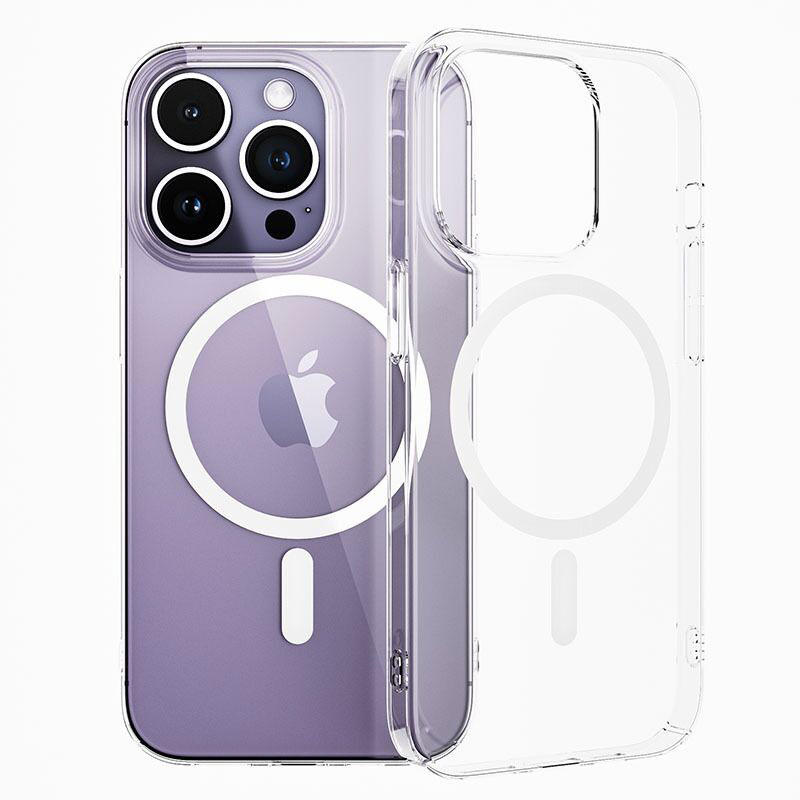
PC brings rigid structure
Polycarbonate in a PC TPU phone case holds shape and resists scratches. The hard back keeps the phone from bending and gives a clean print surface. On its own, though, rigid plastic can crack on a sharp corner hit.
TPU adds soft impact soak
Thermoplastic polyurethane forms the bumper. This shockproof phone cover layer compresses on impact and springs back, cushioning corners where drops concentrate. Soft TPU alone feels floppy, which is why the blend matters.
Why the blend wins
A durable phone case wants both: PC for shape and TPU for give. The two materials share load, so a fall that would crack pure PC or dent pure TPU is better absorbed. It is a common engineering compromise, not a marketing gimmick.
Fit and port access
Good phone case design keeps button travel crisp and ports open. Check that the lens cutout sits proud of the camera and that wireless charging still works through the back.
FAQ
Does a hybrid case add much weight?
A little, but far less than a heavy rugged shell; most users barely notice the difference.
Will TPU yellow over time?
Clear TPU can tint with UV and oils; choosing a tinted or coated version slows it.
Can it handle big drops?
It improves odds on typical falls, yet no case removes risk entirely; very high drops still damage phones.
Is a single-material case bad?
Not bad, just different trade-offs: all-TPU is grippy but soft, all-PC is rigid but brittle at corners.